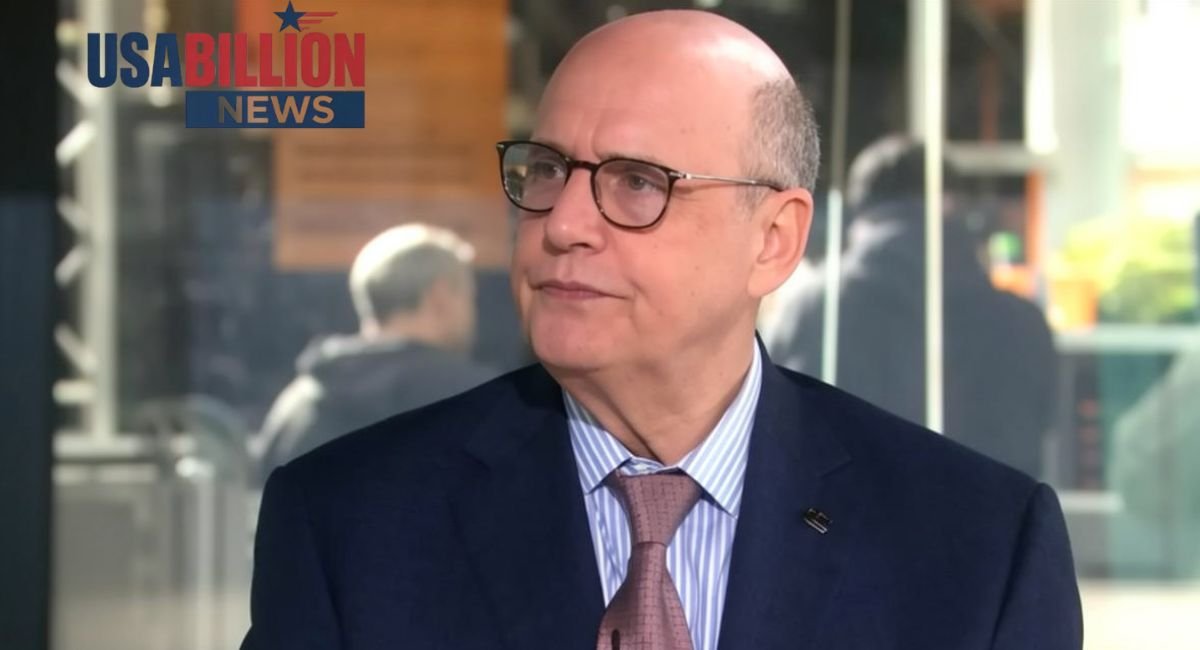
Jeffrey Cappo is one of America’s most remarkable self-made automotive entrepreneurs, having built a business empire worth an estimated $500 million entirely through grit, sales mastery, and disciplined dealership acquisitions. From selling Kirby vacuum cleaners door-to-door after high school to founding and leading Victory Automotive Group — a powerhouse generating over $2.3 billion in annual revenue — his story is a blueprint for what relentless ambition can achieve without a trust fund or a famous last name.
In 2026, Cappo’s influence across the automotive dealership industry spans more than 55 locations in 11 states, selling approximately 60,000 vehicles per year. Yet despite this staggering scale, he remains fiercely private about his personal life, including details about his wife and family. This article dives deep into Jeffrey Cappo’s net worth in 2026, his early life, career milestones, Victory Automotive Group’s growth, and the success principles that turned a small Tennessee Nissan store into one of America’s greatest dealer group stories.
Who Is Jeffrey Cappo?
Jeffrey Cappo is an American entrepreneur and automotive industry executive best known as the founder, owner, and president of Victory Automotive Group, one of the top-15 privately owned dealership groups in the United States. Based out of Michigan, Cappo has built a multi-state dealership network spanning over 55 locations across 11 states. His journey began not in boardrooms or business schools, but on front porches — selling Kirby vacuum cleaners.
What sets Cappo apart from typical corporate executives is his roots in pure sales. He didn’t inherit wealth or take over a family dealership. He learned how to close deals, motivate teams, and spot underperforming businesses that others wrote off — and turn them into profit machines. That same instinct now drives a company generating over $2.3 billion in annual revenue.
Jeffrey Cappo Net Worth in 2026
| Category | Details |
| Estimated Net Worth (2026) | ~$500 Million |
| Primary Income Source | Victory Automotive Group |
| Annual Revenue (Group) | Over $2.3 Billion |
| Number of Dealerships | 55+ across 11 states |
| Vehicles Sold Annually | Approximately 60,000+ |
| Real Estate Holdings | Commercial properties across multiple states |
| Headquarters | Ann Arbor/Michigan area |
Jeffrey Cappo’s net worth in 2026 places him firmly among America’s wealthiest self-made entrepreneurs in the automotive sector. His wealth is not simply tied to one dealership or one state. It is spread across a carefully built ecosystem of dealership operations, fixed service income, real estate assets, and strategic land holdings — all designed to generate multiple, stable income streams.
Unlike many wealthy automotive dealers who sell to large public conglomerates, Cappo has maintained the family-owned structure of Victory Automotive Group. That independence is a deliberate choice — and a major reason his wealth continues to grow on his own terms.
Jeffrey Cappo Biography at a Glance
| Detail | Information |
| Full Name | Jeffrey Cappo |
| Commonly Known As | Jeff Cappo |
| Nationality | American |
| Age (as of 2026) | Approximately 70 years old |
| Profession | Automotive Entrepreneur, Dealer Group Owner |
| Company | Victory Automotive Group |
| Title | Founder, Owner, President |
| Residence | Carmel, California / Michigan |
| Known For | Building a $2.3B+ automotive empire from scratch |
Early Life and Family Background
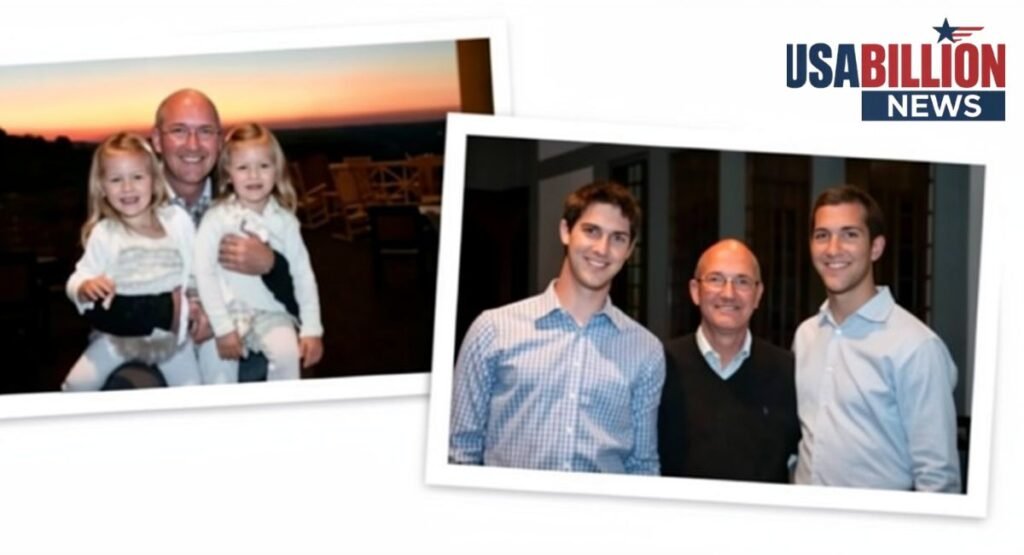
Jeffrey Cappo was born and raised in the United States, though he has largely kept the specifics of his childhood out of the public eye. What is known about his family background suggests he came from modest, working-class roots. There was no silver spoon, no family dealership waiting for him, and no trust fund to fall back on.
Growing up, Cappo showed an early interest in business and people. He was the type of person who could walk into a room and immediately connect — a skill that would define his career. His family background instilled in him the values of hard work, perseverance, and self-reliance. These principles became the backbone of every business decision he would later make.
Cappo also grew up during an era when American manufacturing and the automobile were deeply intertwined with national identity. Cars meant freedom, commerce, and opportunity. It’s no surprise that a natural salesman like Cappo would eventually gravitate toward the automotive world — though that transition didn’t happen overnight.
Education and Early Influences
Jeffrey Cappo’s educational background has not been widely publicized, and he has not been associated with a prestigious MBA or Ivy League degree. What shaped him more than any classroom was real-world experience and the school of hard knocks.
After completing high school, Cappo did not head straight to college. Instead, he entered the workforce with nothing but drive and a willingness to put in the hours. His early education came in the form of door-to-door sales — one of the most difficult and character-building forms of selling that exists.
Working as a Kirby vacuum cleaner salesman taught him lessons that no business school curriculum can replicate:
- How to read people instantly
- How to handle rejection and keep going
- How to frame value for a skeptical buyer
- How to close a deal under pressure
- How to turn “no” into “let me think about it” — and then “yes”
These skills became the engine of everything that followed. Jeffrey Cappo didn’t need a degree to succeed. He needed a script, a product, a doorstep, and the nerve to knock.
Career Beginnings and Entry into the Automotive Industry
Jeffrey Cappo’s career didn’t start in a showroom. It started on front porches across America with vacuum cleaners strapped to his back. But selling Kirby vacuums taught him something invaluable: he could sell anything to anyone, as long as he believed in the product and understood the customer.
His transition into car sales was a natural evolution. He had already mastered the core fundamentals — building rapport, understanding buyer psychology, managing objections, and closing. Cars were simply a bigger ticket item, and the sales environment was more structured. Cappo thrived.
In his early car sales days, Cappo was performing at an elite level. By working just 30 hours a week, he was already earning more than most full-time salespeople. Industry insiders noted that his natural ability to read a customer and guide them through a purchase was extraordinary.
Then came the moment that changed everything. A new general manager arrived at the dealership where Cappo worked and demanded longer hours from the entire team. For many employees, that was simply a new schedule. For Jeffrey Cappo, it was a sign — time to own his own store.
Rather than comply with a system that undervalued his output, he made the leap into dealership ownership. In 1997, Jeffrey Cappo purchased his first dealership — a Nissan store in rural Tennessee. It was not a glamorous acquisition. It was a humble, underperforming store in a small market. But that was exactly the kind of deal that would become his signature.
Victory Automotive Group and Its Growth

Victory Automotive Group began from that single Nissan dealership in Tennessee. What came next was a deliberate, disciplined, and remarkably consistent growth story that has continued for nearly three decades.
Cappo’s acquisition strategy was never about buying shiny, high-performing stores. His philosophy was the opposite. Victory targets underperforming dealerships — stores that others have written off as too difficult or not worth the trouble. Where most buyers see risk and due diligence nightmares, Cappo sees opportunity.
As one industry insider famously described his approach: “We have bought stores selling a handful of cars and can boost performance five to ten times.” That’s not marketing language. That’s the actual track record of Victory Automotive Group.
How Victory Automotive Group Expanded Over the Years
- 1997: First acquisition — Nissan dealership in rural Tennessee
- 2000s: Gradual expansion into California with “Ocean” branded dealerships
- 2008: The financial crisis exposed the importance of service income; Cappo hired service experts to grow fixed operations
- Early 2020s: Post-pandemic resumption of acquisitions
- 2024: Aggressive expansion including BMW of Humboldt Bay (California), Metro Toyota (Ohio), San Leandro Mazda (California), and Advantage Toyota/Ball Toyota (West Virginia)
- 2024–2025: Expanded portfolio to 55 dealerships across 11 states, with brands including Toyota, Nissan, BMW, Mazda, Honda, and more
- 2025: Opened Victory INEOS Grenadier in Nashville, Tennessee — signaling a move into emerging luxury adventure vehicle segments
Today, Victory Automotive Group is one of the most active acquisition-focused dealer groups in the country. It works regularly with top automotive brokerage firms including Performance Brokerage Services, Haig Partners, and Tim Lamb Group — all of which have advised on recent Victory transactions.
The geographic reach of Victory’s footprint — from California up and down the coast, east through Michigan, Ohio, Tennessee, West Virginia, and into the Sun Belt — is not driven by geography alone. It is driven by opportunity. If there’s an underperforming store that Cappo’s sales system can fix, that’s where Victory goes.
How Victory Automotive Group Built Jeffrey Cappo’s Wealth
The core of Jeffrey Cappo’s net worth comes from how Victory Automotive Group actually makes money. Understanding that revenue model explains why his wealth has been so durable over decades.
Revenue Streams of Victory Automotive Group
1. New Vehicle Sales This is the front-facing, high-volume engine of any dealership. Victory sells approximately 60,000 vehicles per year across its network. New car margins are competitive, but volume and brand mix determine profitability.
2. Used Vehicle Sales and Pre-Owned Operations Pre-owned vehicles typically carry higher margins than new vehicles. Victory’s large footprint gives it access to significant trade-in inventory, allowing aggressive certified pre-owned operations.
3. Fixed Operations (Service and Parts) This is the revenue stream that saved many dealerships during the 2008 recession — and Cappo learned that lesson firsthand. Service departments generate consistent, recurring income regardless of vehicle sales cycles. They are the financial backbone that stabilizes dealership groups through economic downturns.
4. Finance and Insurance (F&I) Every vehicle sale comes with F&I opportunities — extended warranties, insurance products, gap coverage, and financing arrangements. F&I is one of the highest-margin revenue centers in any dealership.
5. Franchise Value Each dealership franchise (Toyota, Nissan, BMW, etc.) carries intrinsic value as an asset. As Victory acquires and improves stores, the underlying value of those franchise agreements grows substantially.
Jeffrey Cappo’s Leadership Style and Management Philosophy
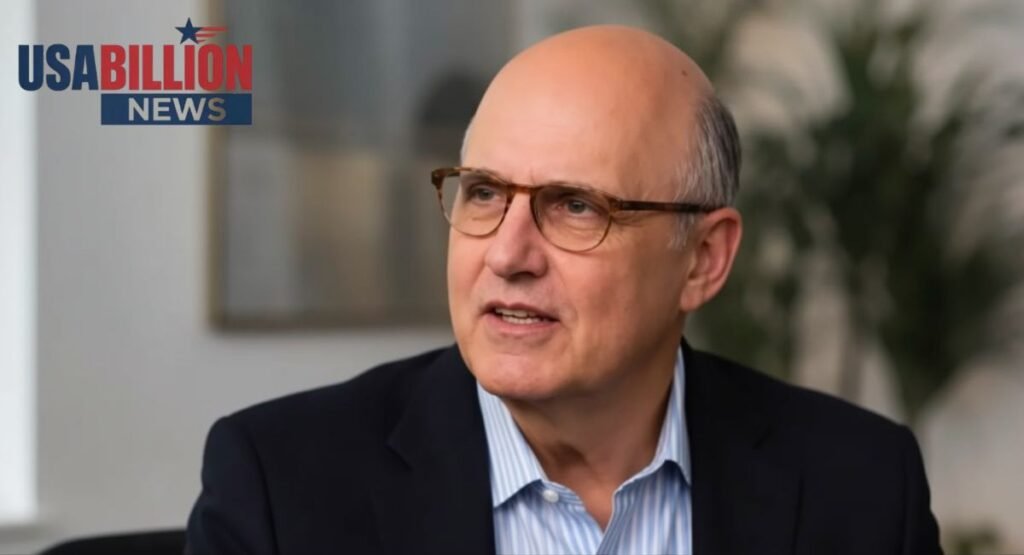
One of the most distinctive things about Jeffrey Cappo is that he is not an absentee owner. He is described by those who know him as a hands-on, sales-floor-level leader who visits his dealerships regularly and stays deeply connected to the operational rhythm of each store.
His management philosophy can be distilled into a few core principles:
- Empower people, don’t micromanage them. Cappo believes in hiring talented people and giving them the tools to succeed, not hovering over every decision.
- Sales culture first. While service and fixed operations are critical, Cappo built his career on selling, and that culture permeates Victory’s approach.
- Hire better than yourself. When he brought on key leadership including his CFO and operations team, he deliberately recruited people with more dealership-specific experience than he had at the time.
- Fix before you franchise. Victory doesn’t just buy stores and slap a new name on them. Cappo personally spends time at each new acquisition installing his sales process and culture before stepping back.
- Due diligence is secondary to potential. Most buyers over-analyze the past performance of an acquisition target. Cappo focuses on what the store could become with the right system in place.
His management style has attracted a loyal inner circle. Key leaders like his CFO, who came from automotive engineering and an MBA background, have helped professionalize the back-end of the business while Cappo maintained the sales-driven front.
Diversification, Investments, and Business Ventures
Jeffrey Cappo has not put all of his wealth back into dealerships. Smart wealth-building requires diversification, and Cappo has been intentional about building income streams that don’t depend entirely on the automotive market.
His diversification strategy includes:
- Commercial real estate anchored to business tenants
- Land acquisitions in markets where dealerships operate
- Building ownership under his own dealership locations (eliminating lease expenses and building equity simultaneously)
- Investment in emerging segments like INEOS Grenadier, signaling interest in the premium adventure and off-road vehicle category
His approach to diversification mirrors what the smartest operators in any business do: use your primary business to generate capital, then deploy that capital into assets that appreciate while generating passive income.
Jeffrey Cappo’s Real Estate Investments
Real estate is one of the most underappreciated pillars of Jeffrey Cappo’s net worth. While Victory Automotive Group gets all the headlines, the property portfolio quietly compounds in the background.
Cappo’s real estate strategy focuses on:
Commercial Properties: He owns buildings that house several of his Victory dealership locations. Instead of paying rent to a landlord, he pays himself — effectively converting a business expense into an asset-building activity.
Land Holdings: In markets where Victory operates, Cappo has acquired land — not just the business on top of it. Automotive real estate (large lots, high-traffic corners, highway frontage) tends to appreciate steadily and holds value even when the dealership business fluctuates.
Geographic Diversification: His properties span multiple states, reducing exposure to any single regional economic downturn. California, Michigan, Ohio, Tennessee, and the Sun Belt regions are all part of his property footprint.
This real estate strategy provides three key benefits: stable passive income through rent (even when he occupies the properties himself, the equity builds), protection against business downturns, and tax advantages not available through pure business operations.
Achievements, Awards, and Career Milestones
Jeffrey Cappo’s career is marked by a consistent string of accomplishments that have solidified his reputation as one of America’s premier automotive entrepreneurs.
Key Milestones
| Year | Milestone |
| 1997 | Purchased first dealership (Nissan, rural Tennessee) |
| 2000s | Expanded into California with Ocean-branded dealerships |
| 2008–2009 | Survived financial crisis by building strong fixed operations |
| 2020s | Resumed aggressive acquisition strategy post-pandemic |
| 2024 | Acquired 6+ dealerships in a single year; portfolio reached 55 locations |
| 2025 | Opened Victory INEOS Grenadier in Nashville |
| 2026 | Estimated net worth reaches ~$500 million |
Industry Recognition
- Recognized as one of the top-15 privately owned dealer groups in the United States
- Consistent appearances in automotive industry trade publications tracking major dealer group moves
- Partnership with premier buy-sell advisors (Haig Partners, Performance Brokerage Services, Tim Lamb Group) — reflecting Victory’s standing as a serious acquisition player
- Victory Automotive Group ranked among the most active acquirers of dealerships in the U.S. in 2024
Philanthropy and Community Engagement
With great business success comes responsibility to the broader community — and Jeffrey Cappo appears to take this seriously. While he is not known for making splashy, headline-grabbing philanthropic announcements, Victory Automotive Group maintains a presence in the communities where it operates.
Community engagement from Victory Automotive Group includes:
- Local hiring practices that prioritize community employment in each market
- Charitable contributions through dealership-level community programs
- Employee development programs that invest in career growth for dealership staff
- Support for local initiatives in Michigan, California, Tennessee, Ohio, and other home markets
Cappo’s approach to philanthropy mirrors his approach to business: focused, practical, and results-oriented. He invests in communities the same way he invests in dealerships — not with fanfare, but with substance.
The fact that Victory remains family-owned and independent also means its profits stay closer to the community. Rather than flowing to distant shareholders, Victory’s earnings are reinvested in the business, the people, and the markets it serves.
Jeffrey Cappo’s Wife and Personal Life
Jeffrey Cappo is known for being intensely private about his personal life. Unlike many high-profile business figures who share their personal worlds on social media, Cappo has kept his family details largely away from public scrutiny.
What is publicly known:
- Jeffrey Cappo’s wife has not been identified by name in major public sources, reflecting the couple’s deliberate choice to maintain privacy
- He is understood to have a family, and Victory Automotive Group has been described as a family business, with succession within the Cappo family being part of the long-term plan
- His residence has been associated with both Carmel, California and the Michigan area, where Victory’s headquarters is based
- At approximately 70 years of age in 2026, Cappo maintains an active professional life and reportedly still spends time on showroom floors across his dealership network
The decision to keep his personal life private is itself a reflection of his personality — understated, focused, and more interested in results than recognition. His identity is built around his work and his values, not his public profile.
Jeffrey Cappo’s Social Media Presence and Public Image
Jeffrey Cappo does not maintain a high-profile social media presence in the traditional celebrity sense. He is not known for Instagram posts, Twitter commentary, or YouTube channels about his lifestyle.
His public image is built on reputation within the automotive industry rather than mainstream media exposure. Among dealers, brokers, and automotive investors, his name carries significant weight. Victory Automotive Group’s track record speaks louder than any social media campaign could.
This low-profile approach actually contributes to his brand’s strength. Victory Automotive Group is recognized as a serious operator that closes deals and improves businesses — not a brand that markets itself. In an industry full of noise, that quiet confidence is itself a competitive advantage.
How Jeffrey Cappo Stays Ahead in a Competitive Industry
The automotive dealership industry is one of the most competitive business environments in America. Margins are thin, customer expectations are high, and disruption from digital platforms and electric vehicles constantly reshapes the landscape. So how does Jeffrey Cappo continue to thrive?
Key Competitive Advantages
1. A Proven Sales System Cappo’s original edge — his ability to train a sales team to dramatically increase volume — remains the core differentiator. Victory routinely takes underperforming stores and multiplies their sales output by five to ten times.
2. Fixed Operations Expertise After the 2008 recession taught him the importance of service income, Cappo built world-class fixed operations teams. This revenue is predictable, recurring, and insulated from market volatility.
3. Acquisition Discipline Most competitors avoid distressed stores. Victory seeks them out. This contrarian approach means lower acquisition prices and higher upside potential.
4. Technology Investment Victory has consistently adopted CRM systems, digital marketing tools, and data analytics to improve sales performance and customer experience across its network.
5. Electric Vehicle Readiness Cappo has positioned Victory to embrace the EV transition, including infrastructure investments in EV charging and training service teams to support electric vehicles.
6. People-First Culture Employee satisfaction drives customer satisfaction. Victory’s internal culture prioritizes development and retention, reducing costly turnover.
Challenges Faced and How He Overcame Them
No business empire is built without obstacles. Jeffrey Cappo’s career has included meaningful challenges that tested his resolve and forced adaptation.
The 2008 Financial Crisis
The global financial crisis devastated the automotive industry. Dealership groups collapsed nationwide. Victory survived — and emerged stronger — because Cappo recognized the crisis as a signal. His initial focus on pure sales left the business vulnerable when credit froze and buyers disappeared. His response? Hire service experts and build the fixed operations side of the business into a reliable revenue pillar.
Supply Chain Disruptions (2020–2022)
The COVID-19 pandemic and subsequent chip shortage upended vehicle inventory levels industry-wide. Victory navigated this period by maximizing margins on available inventory, leaning into pre-owned vehicle operations, and maintaining strong customer relationships through the disruption.
Competing Against Public Giants
Companies like AutoNation, Lithia Motors, and Group 1 Automotive have access to public capital markets, giving them theoretically unlimited acquisition firepower. Victory competes as a private, family-owned entity — which means more careful capital allocation, but also more flexibility and less bureaucracy. Cappo’s personal involvement in each acquisition gives Victory an edge that no corporate committee can replicate.
The Shift to Electric Vehicles
The EV transition represents both a threat and an opportunity for traditional dealerships. Cappo has chosen to see it as an opportunity — investing in EV sales training, charging infrastructure, and brand partnerships aligned with the electric future.
The Future of Victory Automotive Group
Jeffrey Cappo’s Vision for Growth
Looking ahead, Victory Automotive Group is positioned for continued expansion. Cappo’s vision centers on sustainable, quality-driven growth — acquiring stores that genuinely fit the Victory system rather than chasing size for its own sake.
The ongoing partnerships with premier buy-sell advisors suggest that the acquisition pipeline remains active. Markets that Victory has not yet entered — particularly in the Southeast and Southwest — represent potential future targets.
The longer-term vision also includes generational transition. Victory has been described as a family business, with the expectation that Cappo family members will carry the group forward when Jeffrey eventually steps back from day-to-day operations.
Embracing Technology and Innovation
Technology is no longer optional in the dealership industry — it is a survival requirement. Victory’s investments in CRM platforms, digital retailing tools, AI-powered lead management, and online sales processes position it to compete effectively with both traditional rivals and new-age digital auto retail platforms.
The rise of online car buying, fueled by companies like Carvana and Vroom, has pushed all dealership groups to accelerate digital transformation. Victory is adapting, building omnichannel customer experiences that allow buyers to research, configure, and even initiate purchases online before ever walking into a showroom.
The Impact of Electric Vehicles on the Business
Electric vehicles represent one of the most significant structural shifts in automotive retail history. For dealerships, this means new training requirements, new service procedures, and new infrastructure investments.
Cappo has taken a proactive stance. Victory has:
- Invested in EV charging infrastructure at dealership locations
- Trained service technicians on electric vehicle maintenance and repair
- Added EV-focused brands and models to its inventory mix
- Opened the Victory INEOS Grenadier dealership in Nashville, an early signal of interest in premium, non-traditional vehicle categories
As EV adoption accelerates, dealerships that prepared early will have a significant advantage. Victory’s proactive posture gives it a meaningful head start.
Jeffrey Cappo’s Success Lessons and Legacy
Jeffrey Cappo’s story is more than a business biography. It is a masterclass in entrepreneurial principles that transcend any single industry. The lessons embedded in his career apply to anyone building a business from scratch:
Lesson 1: Master Sales First Everything in business depends on revenue, and revenue depends on sales. Cappo mastered sales before he mastered anything else. That foundation made everything else possible.
Lesson 2: Own Your Real Estate Don’t pay rent if you can pay yourself. Owning the property under your business builds wealth twice — once through the business and once through the asset.
Lesson 3: See Opportunity Where Others See Risk Victory’s entire acquisition strategy is built on buying what others won’t. Contrarian thinking, when backed by genuine expertise, creates outsized returns.
Lesson 4: Build the Right Team Cappo was willing to hire people who knew more than him in specific areas. That intellectual humility is rare in founders and essential for scaling.
Lesson 5: Adapt or Die The 2008 crisis, the 2020 pandemic, the EV revolution — each disruption could have damaged Victory permanently. Each time, Cappo adapted rather than resisted.
Lesson 6: Stay Private, Stay Focused His low public profile is not a weakness. It is a deliberate choice that keeps him focused on building rather than performing.
Jeffrey Cappo’s legacy is a company that will likely outlast him — a family-owned institution that has redefined what independent dealership success looks like in an era of corporate consolidation. In a world where most dealer groups eventually sell to the highest bidder, Victory stands as proof that staying independent and staying hungry is still a winning formula.
Read Also:Jackie DeAngelis: Age, Husband, Net Worth, Career (2026)
FAQs
What is Jeffrey Cappo’s net worth in 2026?
Jeffrey Cappo’s net worth in 2026 is estimated at approximately $500 million, built primarily through Victory Automotive Group and diversified real estate investments.
Who is Jeffrey Cappo’s wife?
Jeffrey Cappo’s wife has not been publicly identified, as he keeps his personal and family life intensely private. Victory Automotive Group is described as a family business intended to remain within the Cappo family.
How did Jeffrey Cappo make his money?
Cappo built his wealth by founding and growing Victory Automotive Group, starting with a single Nissan dealership in Tennessee in 1997. He expanded through strategic acquisitions of underperforming stores, growing the group to 55+ dealerships across 11 states. Real estate holdings add further to his fortune.
What is Victory Automotive Group?
Victory Automotive Group is one of the largest privately-owned automotive dealer groups in the United States, founded by Jeffrey Cappo. It operates 55+ dealerships across 11 states, generates over $2.3 billion in annual revenue, and sells approximately 60,000 vehicles per year.
Does Jeffrey Cappo invest in real estate?
Yes. Cappo owns commercial properties and land holdings across multiple states, including buildings that house his own dealerships. This strategy eliminates lease expenses while building long-term equity and generating stable income.
What are Jeffrey Cappo’s biggest achievements?
His biggest achievements include building Victory Automotive Group from a single dealership into a top-15 private dealer group, generating $2.3B+ in annual revenue, surviving multiple industry downturns, and maintaining family ownership at scale — all while maintaining a reputation as one of the most skilled automotive sales operators in America.
Conclusion
Jeffrey Cappo’s journey from a vacuum cleaner salesman to the founder of a half-billion-dollar automotive empire is one of American entrepreneurship at its finest. His story is not built on luck or inheritance — it is built on mastery of sales, disciplined acquisition strategy, smart real estate investment, and the humility to hire people better than himself in the areas where he needed help.
In 2026, Victory Automotive Group stands as a testament to what focused, patient, and principled business-building looks like. With 55+ dealerships across 11 states, annual revenues exceeding $2.3 billion, and an active acquisition strategy still running at full speed, Jeffrey Cappo shows no signs of slowing down — even as he approaches his early seventies.
For aspiring entrepreneurs, the takeaways from Cappo’s life are clear: start with sales mastery, pursue what others overlook, own your assets, build a team you trust, and never stop adapting. That formula has produced a $500 million net worth — and a legacy that will outlast the man himself.











1 thought on “Jeffrey Cappo Net Worth 2026: Wife, Biography, Career, Victory Automotive Group & Success Story”